Commercial properties are complex ecosystems, encompassing numerous systems that require ongoing attention and care. From heating and cooling to fire safety, plumbing, electrical systems, and landscaping, each component plays a critical role in maintaining efficiency, safety, and tenant satisfaction. A well-maintained building not only operates more efficiently but also creates a more comfortable and productive environment for everyone who uses it.
Neglecting these systems can lead to costly repairs, operational disruptions, and even safety hazards. By understanding which systems are most important and implementing a proactive maintenance strategy, property owners can protect their investment, minimize downtime, and ensure compliance with regulatory standards.
In this article, we explore the most essential building systems, outlining key maintenance tasks, schedules, and best practices. We will also highlight the services and contractors that can help commercial property owners maintain a safe, efficient, and well-functioning facility. By following these guidelines, property owners can develop a comprehensive maintenance plan that supports long-term performance and tenant satisfaction.
1. What are the most crucial HVAC system maintenance tasks?
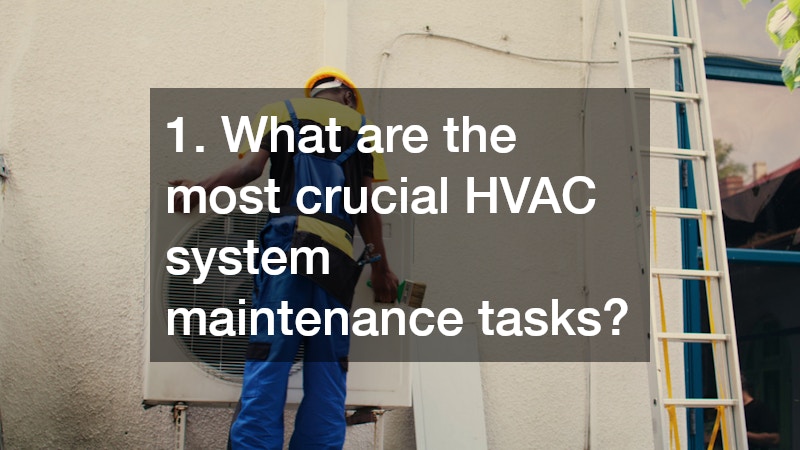
The heating, ventilation, and air conditioning (HVAC) system is the backbone of indoor comfort and air quality in commercial buildings. Regular maintenance prevents costly breakdowns, improves energy efficiency, and extends equipment lifespan.
1.1 Regular Filter Replacement
Replacing HVAC filters at scheduled intervals is essential to maintain airflow, reduce energy consumption, and improve indoor air quality. Dirty filters can strain the system, causing premature wear on components.
-
Inspect filters monthly in high-traffic buildings.
-
Use high-quality HEPA or MERV-rated filters when possible.
-
Document replacement dates to establish a maintenance history.
1.2 Duct Cleaning Procedures
Dust, debris, and microbial growth can accumulate in ductwork, reducing efficiency and compromising air quality. Professional duct cleaning every 2–3 years ensures proper airflow and system hygiene.
-
Check for visible mold, mildew, or debris.
-
Seal leaks to prevent energy loss.
-
Schedule cleaning during low-occupancy periods to minimize disruption.
1.3 System Efficiency Monitoring
Monitoring HVAC performance ensures energy efficiency and reduces utility costs. Tracking metrics such as temperature consistency, humidity levels, and energy consumption can identify issues before they escalate.
-
Use digital monitoring tools to log performance data.
-
Compare trends year-over-year to detect inefficiencies.
1.4 Seasonal System Inspections
Seasonal inspections by a certified HVAC contractor or commercial HVAC company are critical to identify potential problems early. These inspections should include checking refrigerant levels, inspecting belts and motors, and verifying thermostat calibration.
-
Schedule pre-summer and pre-winter inspections.
-
Address minor issues immediately to avoid major failures.
-
Keep records for compliance and warranty purposes.
2. How often should fire safety systems be inspected?
Fire safety systems are non-negotiable in commercial buildings. Regular inspections and maintenance not only protect occupants but also ensure compliance with fire safety regulations.
2.1 Fire Alarm System Testing Frequency
Fire alarms should be tested monthly to ensure functionality. Testing includes activating alarms, checking battery backups, and confirming connectivity to monitoring services.
-
Record all tests for regulatory compliance.
-
Replace faulty components immediately to maintain reliability.
2.2 Sprinkler System Maintenance Schedule
Routine fire protection sprinkler system installation and inspection prevent malfunction during emergencies. Sprinklers should be checked annually, with additional checks after system modifications.
-
Inspect valves, piping, and sprinkler heads.
-
Flush systems periodically to remove sediment or buildup.
2.3 Emergency Lighting Inspection
Emergency lighting is essential during power outages or evacuations. Monthly inspections ensure lights are operational and batteries are charged.
-
Replace bulbs and batteries as needed.
-
Document inspections to meet code requirements.
2.4 Compliance with Fire Safety Codes
Working with certified contractors ensures that all fire safety systems, including alarms, sprinklers, and emergency lighting, comply with local regulations.
-
Schedule inspections with licensed fire safety professionals.
-
Keep all documentation for audits and insurance purposes.
3. What are the key components of a reliable plumbing system?
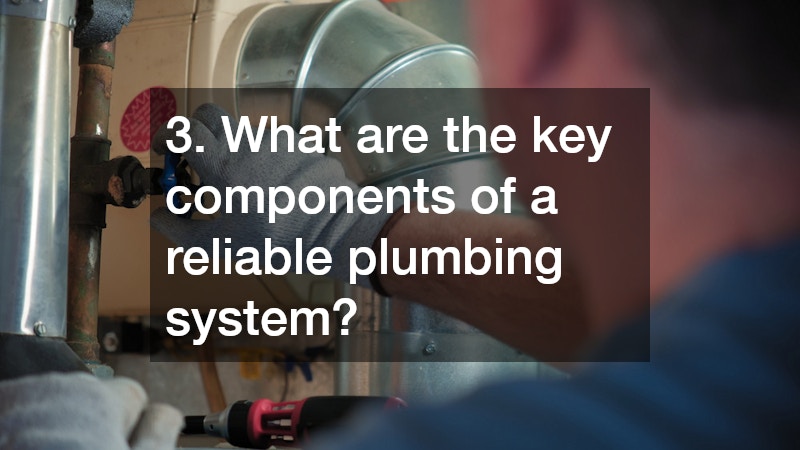
A reliable plumbing system is critical for hygiene, comfort, and regulatory compliance. Proactive maintenance can prevent leaks, water damage, and costly repairs.
3.1 Routine Pipe Leak Inspections
Frequent inspections detect leaks, corrosion, and pressure issues before they escalate. Early detection prevents water damage and minimizes repair costs.
-
Inspect visible pipes monthly.
-
Use moisture sensors in concealed areas.
3.2 Water Heater Efficiency Checks
Commercial water heaters require routine efficiency assessments. Poorly maintained units can increase energy costs and reduce water availability.
-
Flush water heaters annually to remove sediment.
-
Inspect heating elements and pressure relief valves.
3.3 Regular Drain Cleaning
Clogged drains can disrupt operations and lead to unsanitary conditions. Scheduled drain cleaning, especially for kitchens and restrooms, is essential.
-
Use mechanical or hydro-jet cleaning techniques.
-
Avoid chemical cleaners that may damage pipes.
3.4 Backflow Prevention Measures
Installing and maintaining backflow prevention devices safeguards water quality. Annual testing ensures compliance with municipal regulations.
-
Engage licensed plumbers for testing and certification.
-
Maintain accurate records for inspections.
-
For businesses that generate significant waste, commercial grease traps help prevent blockages and protect municipal sewer systems. Regular cleaning and inspection are vital to avoid costly fines or disruptions.
4. How to maintain electrical systems effectively?
Electrical systems power every aspect of commercial buildings. Proper maintenance prevents hazards, ensures reliability, and supports operational efficiency.
4.1 Circuit Breaker Testing and Maintenance
Circuit breakers should be tested regularly to avoid overloads or failures. Loose connections and faulty breakers can pose fire risks.
-
Schedule semi-annual inspections by licensed electricians.
-
Replace aging breakers and panels proactively.
4.2 Power Outlet Inspections
Frequent use can wear down outlets, creating safety hazards. Inspections ensure secure connections and identify outlets needing replacement.
-
Check for discoloration, sparks, or unusual odors.
-
Test GFCI outlets in wet areas monthly.
4.3 Essential Electrical Panel Upgrades
Outdated panels may not support modern energy demands. Upgrades improve efficiency and allow for the integration of backup power solutions.
-
Consider adding surge protection and smart monitoring.
-
Coordinate upgrades with commercial generator repairs if backup power systems are present.
4.4 Addressing Wiring Issues
Worn or exposed wiring is a major fire hazard. Regular inspection and replacement prevent accidents and reduce downtime.
-
Engage licensed professionals for any repairs.
-
Schedule periodic rewiring in older buildings.
5. Why is elevator maintenance critical, and how is it conducted?
Elevators are vital for accessibility in multi-story buildings. Routine maintenance ensures passenger safety, regulatory compliance, and operational reliability.
5.1 Routine Safety Checks
Daily or weekly inspections identify issues with door operation, emergency brakes, and alarms. Malfunctions can lead to injuries or liability claims.
-
Record inspections to document compliance.
-
Schedule immediate repairs when safety devices fail.
5.2 Elevator Cab Interior Maintenance
Clean, well-maintained interiors improve user experience and prevent damage to panels, flooring, and lighting.
-
Use commercial-grade cleaning agents.
-
Inspect handrails, buttons, and flooring for wear.
5.3 Hydraulic and Traction System Servicing
Hydraulic and traction systems require periodic lubrication, component replacement, and alignment checks. Preventive maintenance reduces downtime.
-
Engage licensed elevator contractors for servicing.
-
Maintain a service log for each elevator unit.
5.4 Addressing Compliance with Regulations
Elevators must meet strict building codes and ADA accessibility standards. Compliance avoids fines and ensures safe usage.
-
Schedule third-party inspections as required by law.
-
Keep certifications and maintenance records current.
-
Automatic door repairs are often included in elevator and building access systems, ensuring doors operate reliably for safety and accessibility.
6. What are the best practices for roof maintenance?
Roofs protect the building envelope from weather, leaks, and structural damage. Regular inspections and timely repairs prevent costly replacements.
6.1 Regular Roof Inspections
Inspect roofs at least twice per year and after major storms. Identify wear, damage, or potential water intrusion points.
-
Check shingles, flashing, and seals.
-
Document issues for repair planning.
6.2 Immediate Leak Repairs
Prompt leak repairs prevent water damage to interiors, insulation, and structural components.
-
Use professional roofing contractors for durable repairs.
-
Monitor problem areas after initial repair to ensure effectiveness.
6.3 Drainage System Clearance
Clogged gutters and downspouts lead to standing water, leaks, and foundation damage.
-
Schedule seasonal cleaning.
-
Inspect internal roof drains for blockages.
6.4 Roof Material Upkeep
Different roofing materials require unique maintenance. Regular cleaning, coating, and repair preserve roof lifespan.
-
Address UV damage or moss growth proactively.
-
Consider periodic professional inspections for large commercial properties.
7. How should lighting systems be maintained for efficiency?
Proper lighting maintenance improves energy efficiency, occupant comfort, and safety.
7.1 Energy-efficient Bulb Replacements
Upgrading to LED or other energy-efficient lighting reduces operational costs and improves illumination quality.
-
Replace burned-out bulbs promptly.
-
Track energy savings after retrofits.
7.2 Smart Lighting Controls
Smart lighting systems enable scheduling, occupancy sensing, and remote management, optimizing energy usage.
-
Integrate with building management systems.
-
Program sensors and timers for peak efficiency.
7.3 Routine Lighting Fixture Inspections
Inspect fixtures for damage, wear, or electrical issues. Ensure wiring connections are safe and secure.
-
Check emergency lighting functionality.
-
Replace worn or damaged components promptly.
7.4 Impact of Proper Maintenance on Utility Costs
Well-maintained lighting systems significantly reduce utility bills and support sustainability goals.
-
Combine with energy audits to maximize efficiency.
-
Include fixture cleaning in regular maintenance schedules.
-
Efficient waste management, including recycling systems and dumpster rental programs, complements building efficiency by keeping spaces clean and organized.
8. What are the critical elements of reliable security systems?
Security systems protect personnel, property, and sensitive information. Regular maintenance ensures systems function properly when needed most.
8.1 Surveillance Camera Operations Check
Test cameras for clarity, coverage, and recording integrity. Malfunctioning cameras create blind spots.
-
Schedule monthly inspections.
-
Clean lenses and check connectivity.
8.2 Regular Alarm System Testing
Alarms should be tested to ensure they trigger correctly and notify authorities as intended.
-
Simulate intrusion scenarios for system reliability.
-
Keep maintenance logs for insurance compliance.
8.3 Access Control Systems Maintenance
Keycard readers, biometric scanners, and electronic locks must be maintained to prevent unauthorized access.
-
Update software and credentials regularly.
-
Replace faulty hardware promptly.
8.4 Data Security Protocols
Cybersecurity integration with building management systems ensures sensitive operational data remains secure.
-
Conduct audits and updates regularly.
-
Train staff on security best practices.
-
Some services, like crane services, may require temporary access restrictions and additional security considerations during operations.
9. How to ensure structural integrity through maintenance?
Maintaining the structural integrity of a building protects occupants, preserves property value, and prevents catastrophic failures.
9.1 Regular Foundation Inspections
Inspect foundations for cracks, settling, or water intrusion. Addressing issues early prevents major structural damage.
-
Schedule inspections annually or after natural events.
-
Engage structural engineers for detailed assessments.
9.2 Addressing Cracks and Settling Issues
Even minor cracks can indicate underlying problems. Repair promptly to prevent escalation.
-
Monitor progression over time.
-
Use appropriate sealing or reinforcement techniques.
9.3 Load-bearing Wall Assessments
Ensure walls and columns are structurally sound. Overloading or damage compromises building safety.
-
Perform routine inspections during renovations.
-
Consult certified contractors for modifications.
9.4 Routine Moisture Control Measures
Excess moisture weakens materials and promotes mold growth. Effective moisture management is essential.
-
Inspect basements, crawl spaces, and roofs.
-
Maintain proper drainage and waterproofing.
-
Engaging experienced building contractors ensures all structural work meets industry standards and safety regulations.
10. What role does landscaping play in building maintenance?
Landscaping impacts water management, pest control, and the overall appearance of a commercial property. Proper landscaping practices can complement maintenance efforts.
10.1 Drainage System Impact by Landscaping
Trees, shrubs, and grading can affect drainage, potentially leading to water pooling or foundation issues.
-
Design landscapes to direct water away from structures.
-
Inspect irrigation systems for leaks or overwatering.
10.2 Routine Maintenance of Green Spaces
Regular mowing, pruning, and debris removal prevent overgrowth and reduce pest habitats.
-
Schedule seasonal cleanup.
-
Use professional landscaping services for large properties.
10.3 Selection of Non-invasive Plant Species
Choose plants that do not compromise structural elements or underground utilities.
-
Avoid deep-rooted trees near foundations.
-
Favor native species for sustainability and low maintenance.
10.4 Preventive Measures against Pest Infestations
Proper landscaping reduces the risk of rodents, insects, and other pests entering the building.
-
Maintain mulch and soil levels to prevent moisture buildup.
-
Conduct regular pest inspections.
-
Landscaping also complements waste management practices, including dumpster rental and recycling systems, by keeping waste areas clean and organized.
Maintaining essential building systems is critical for the safety, efficiency, and longevity of commercial properties. From HVAC and electrical systems to plumbing, fire safety, structural integrity, and landscaping, proactive maintenance minimizes risks, reduces long-term costs, and ensures regulatory compliance.
By scheduling regular inspections, engaging qualified contractors, and implementing preventive measures, commercial property owners can create a safe and welcoming environment for tenants, visitors, and employees while protecting their investment for years to come.
In addition to safety and efficiency, well-maintained systems contribute to the overall value and reputation of a commercial property. Tenants are more likely to remain in buildings that are consistently clean, functional, and comfortable, and potential investors or buyers will recognize the care taken in upkeep. Prioritizing maintenance also fosters a culture of responsibility and professionalism, signaling that the property is managed with diligence and foresight.