
For owners of independent moving companies, reaching operational capacity in your local market is both a major achievement and a complex logistical bottleneck. Once your trucks are consistently booked and your team is operating at peak efficiency, growth can no longer be achieved simply by working harder or extending service hours. Scaling a moving business requires a strategic shift from local residential transport to high-margin, diversified logistics, geographic expansion, and specialized asset management. In the modern relocation market, consumers and corporate clients are actively looking for single-source logistical partners who can streamline the entire moving lifecycle. For a moving company CEO, expanding your business means moving beyond the standard truck-and-two-movers model to establish a comprehensive service ecosystem.
Diversifying the Core Relocation Fleet
Implementing Containerized Assets and Flexible Logistics
A primary challenge of expanding a traditional moving company is the rigid constraint of truck schedules and fixed labor blocks. To scale your operational footprint without immediately investing millions of dollars into an unvetted fleet of heavy freight vehicles, you must pivot toward asynchronous logistics models. Integrating a fleet of weather-resistant, structural steel container vaults allows you to offer premium portable storage solutions directly to your residential and commercial clients. This model allows customers to pack their belongings at their own pace over weeks or months, while your driver team focuses purely on the drop-off, flatbed transport, and pickup logistics, drastically increasing the number of active clients you can manage simultaneously without overextending your field labor force.
Furthermore, building out localized facilities for stationary asset protection provides an immediate, highly reliable stream of monthly recurring revenue that balances out the seasonal volatility of local moving. Offering secure, climate-controlled storage units allows your moving company to capture revenue at both ends of the relocation pipeline. Many customers face frustrating transitional gaps between closing on an old property and receiving the keys to their next home; by housing their belongings in your own vault facilities during this interim phase, you transform a one-time moving job into a multi-month billing relationship.
Establish a Drop-and-Pick Schedule:
Optimize your driver routes by scheduling early-morning container drops and late-afternoon pickups to maximize daily fuel and labor efficiency across your entire geographical service region.
Optimize Unit Tiering:
Design your warehouse vaults in varying standard dimensions to match common residential floor plans, ensuring customers only pay for the exact volume they require.
Automate Billing Cycles:
Implement specialized logistics software that automatically transitions a client from an active transit billing rate to a monthly recurring lease agreement the moment their vault enters your facility.
Enhance Container Security:
Equip all mobile units with heavy-duty puck locks and real-time GPS tracking sensors to assure clients of total asset protection during transit and off-site staging.
Optimizing Real Estate for High-Volume Storage
Scaling Vault Networks and Enterprise Logistics Hubs
Standard open parking fields and uninsulated structures are wholly insufficient for high-value asset preservation. Transitioning a portion of your real estate into specialized indoor storage protects your clients’ sensitive assets, such as fine art, delicate electronics, documents, and heirloom woodwork, from humidity, pests, and extreme environmental thermal fluctuations. This specialized tier of environmental protection commands a premium price point in the market.
For large-scale commercial expansions, cross-docking capabilities and commercial distributions are essential drivers of enterprise growth. Establishing a dedicated local warehouse storage facility enables your brand to bid on lucrative business-to-business accounts, such as office asset management, hotel furniture logistics, and final-mile retail fulfillment. A warehouse hub transforms your moving company from a local service provider into a vital node of regional supply chains. This commercial volume remains highly stable regardless of residential real estate dips, providing the steady cash flow required to fund additional truck purchases, hire advanced logistics managers, and scale your brand identity into neighboring metropolitan areas.
Implement Zone-Based Climate Controls:
Use industrial dehumidifiers and automated HVAC networks to maintain strict moisture boundaries within your premium indoor storage spaces to protect delicate paper and wooden assets.
Design Efficient Cross-Docking Lanes:
Arrange your warehouse floor layout so that commercial goods can be transferred directly from inbound long-haul trailers to local delivery trucks with zero intermediate staging time.
Utilize Vertical Racking Systems:
Maximize your real estate’s cubic footprint by deploying heavy-duty steel pallet racks and specialized forklifts capable of high-tier vertical vault storage.
Enforce Strict Inventory Tagging:
Deploy barcode or RFID asset-tracking systems to log the exact location of every corporate pallet and residential vault in real-time, eliminating lost inventory errors.
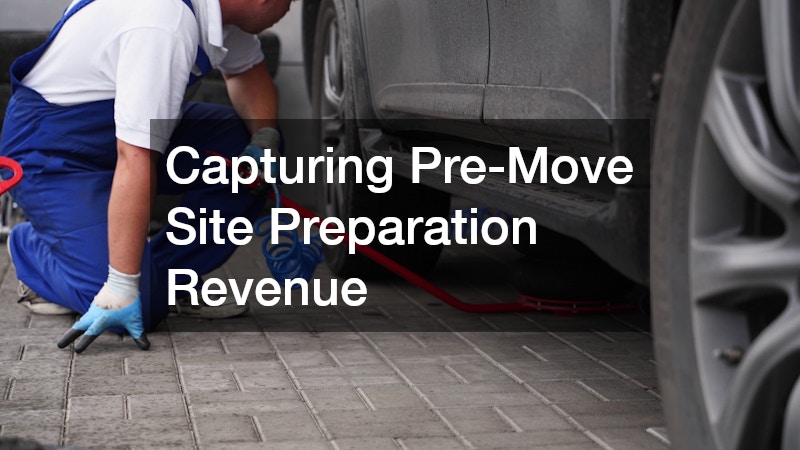
Capturing Pre-Move Site Preparation Revenue
Streamlining De-Cluttering Services and Asset Liquidations
A significant barrier to a smooth, rapid relocation is the sheer volume of unwanted assets accumulated by a client over decades of occupying a property. By expanding your service portfolio to include estate clearing and structural sorting, you can monetize the critical weeks leading up to the actual moving day. Offering a dedicated junk removal service allows your brand to engage with clients much earlier in their decision-making process, capturing market share before your competitors even know a relocation is planned.
To further expand your field capabilities and establish your brand as a true full-service property clearing solution, consider integrating a fleet division equipped for handling large-scale vehicular obstacles. Incorporating an automotive transport branch capable of rapid car removal allows you to clear abandoned vehicles, old utility trailers, or non-running project cars from a client’s property before real estate listings go live. Providing this service directly to real estate agents, property flippers, and estate executors positions your moving company as a comprehensive estate-clearing partner.
Build Sorting and Recycling Pipelines:
Separate cleared items into distinct donation, recycling, and disposal streams to minimize expensive commercial landfill fees and build community-oriented corporate goodwill.
Form Strategic Estate Partnerships:
Market your pre-move clearing and sorting capabilities directly to local estate attorneys, senior downsizing consultants, and relocation managers.
Train Crews on Salvage Identification:
Educate your field teams on how to spot valuable scrap metals and high-quality architectural salvage that can be sold to local reclamation yards to offset operational costs.
Deploy Specialized Transport Gear:
Equip your asset-clearing trucks with heavy-duty winches, wheel dollies, and ramps capable of safely moving non-operational rolling machinery without damaging the driveway.
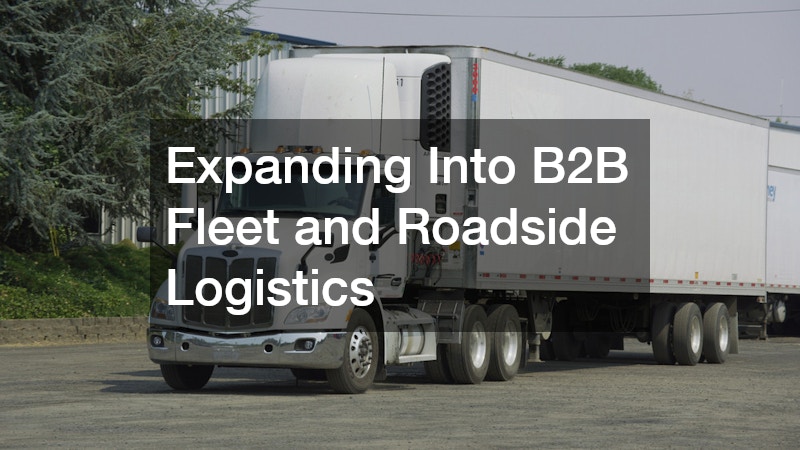
Expanding Into B2B Fleet and Roadside Logistics
Securing Industrial Transport and Emergency Recovery Networks
Expanding your moving company means maximizing the daily utility and monetization of your heavy rolling stock. Moving trucks and heavy-duty flatbeds represent massive capital expenditures that lose value rapidly when sitting idle during mid-week lulls or winter downturns. To build a highly resilient operational footprint, consider diversifying into commercial recovery and heavy transport networks. Establishing a certified local towing division allows you to keep your drivers productive across alternating shifts and generates reliable, on-demand cash flow from commercial roadside assistance, private parking enforcement contracts, and municipal fleet recovery services.
This specialized logistics branch also creates a powerful operational synergy with your core moving business, specifically regarding high-risk industrial transport. When moving heavy manufacturing equipment, commercial safes, or structural machinery that cannot fit inside a standard box truck, your specialized recovery vehicles can step in to handle the loading, rigging, and transport. Furthermore, having internal recovery capabilities means that if one of your primary moving trucks experiences a mechanical breakdown on the highway during a time-sensitive, long-distance relocation, your internal team can immediately rescue the load.
Secure Municipal Enforcement Contracts:
Bid on local government and law enforcement towing rotations to guarantee a consistent baseline of weekly service calls regardless of external economic conditions.
Cross-Train Drivers on Heavy Equipment:
Ensure your logistics operators hold valid Commercial Driver’s Licenses (CDLs) and are fully trained in advanced rigging and heavy vehicle recovery protocols to reduce liability.
Deploy Digital Dispatch Infrastructure:
Use real-time GPS dispatching software to route your recovery assets efficiently based on current traffic patterns, minimizing response times and fuel burn.
Promote 24/7 Fleet Support:
Market your rapid-response roadside recovery services directly to local commercial fleets, delivery businesses, plumbing contractors, and corporate car rental hubs.
Integrating Commercial Landscaping and Site Clearing
Deploying High-Altitude Vegetation Management and Structural Safety Systems
To truly differentiate your moving and logistics brand from the generic local competition, look for expansion opportunities in structural site preparation and large-scale environmental management. When businesses or homeowners prepare for a major relocation or facility expansion, they often face complex municipal compliance issues regarding property lines and overgrown vegetation. Partnering with or acquiring a certified tree service enables your company to offer full-scale property remediation, clearing dangerous overgrowth, eliminating liability hazards, and preparing large commercial lots for construction, storage expansion, or real estate resale.
For highly specialized property preparation, scaling a dedicated tree trimming service allows your field teams to manage high-risk, precision maintenance near commercial structures, overhead power lines, and warehouse entryways. Overhanging limbs pose a significant property damage risk to moving trucks, exterior storage containers, and customer roofs during a relocation event.
Invest in Certified Arborist Leadership:
Hire licensed arborists to lead your vegetation management teams, ensuring absolute compliance with local environmental ordinances and preservation laws.
Deploy Heavy Mechanical Cutters:
Equipping your teams with modern bucket trucks, aerial lifts, and industrial wood chippers minimizes manual labor hours and maximizes site safety in tight urban zones.
Market to Real Estate Developers:
Target commercial developers who require comprehensive lot clearing, grading, and canopy management before building new industrial storage facilities.
Offer Emergency Storm Cleanup:
Position your brand as a rapid-response network capable of clearing downed trees and structural blockages immediately after severe weather events.
Executive Risk Management and Property Preparation

Finalizing Enterprise Environmental Safety and Structural Clearance
The final phase of scaling a moving enterprise into a regional logistics powerhouse involves securing high-level environmental clearances and managing structural safety boundaries across all your physical job sites. When commercial clients transition out of large manufacturing plants or expansive corporate campuses, they frequently face strict regulatory requirements regarding environmental restoration and vegetative remediation. Expanding your brand to include a certified tree removal company division allows you to execute total site clearances, removing massive structural hazards, dead timber, and deep root systems that could interfere with the redevelopment or sale of the commercial real estate asset.
As a CEO, managing the risk profile of these diversified services requires strict adherence to safety engineering, extensive insurance underwriting, and careful capital asset allocation. Every new service vertical, from high-altitude canopy management to heavy vehicle recovery, must be backed by an independent safety officer, continuous training protocols, and explicit liability waivers. By balancing your operational ambitions with rigorous risk management, you build an unshakeable corporate brand that corporate clients, real estate conglomerates, and institutional partners can trust implicitly with their high-value physical transitions.
Form Structural Canopy Assessment Teams:
Conduct thorough drone-based aerial surveys of all target properties to identify hidden structural weaknesses or decay before deploying ground crews.
Enforce Strict PPE Protocols:
Maintain zero-tolerance policies regarding the utilization of high-performance safety gear, including ballistic chaps, communication helmets, and fall-arrest harnesses.
Secure High-Limit Umbrella Insurance:
Protect your growing enterprise assets by expanding your corporate liability coverage to match the risk profiles of high-voltage and high-altitude field operations.
Incorporate Stump Grinding Systems:
Offer complete below-grade clearance options by integrating hydraulic stump grinding and root remediation into your final property handover packages.
Strategic Marketing and Geographic Expansion Strategies
Positioning Your Brand Across Multiple Territorial Nodes
Once your moving company has integrated diversified service verticals and stabilized its infrastructure, the focus must shift to geographical scaling. Expanding into a new territory involves more than simply dropping a truck in a new zip code; it requires a calculated marketing framework that establishes local trust rapidly. To minimize initial capital expenditures, consider establishing a hub-and-spoke model. Your primary headquarters houses your main administrative team, your specialized logistics managers, and your massive storage facility, while your new geographical nodes serve as lean satellite offices designed purely for fleet staging and local dispatch.
Digital marketing in 2026 relies heavily on hyper-local, hyper-targeted visibility. Your website must feature dedicated landing pages for each service territory, complete with localized case studies, community project photos, and specific neighborhood client reviews. Partner with local real estate brokerages, corporate relocation coordinators, and storage facility managers in the new territory to build an immediate B2B referral apparatus. By ensuring your digital footprint is as robust as your physical infrastructure, you can confidently enter competitive markets, disrupt entrenched local operators, and capture predictable market share within the first quarter of activation.
Deploy Hyper-Targeted Digital Campaigns:
Use localized search ads and geo-fenced social media marketing to target consumers who are actively listing their homes for sale in specific sub-markets.
Form Local Real Estate Alliances:
Offer exclusive moving discounts or priority scheduling perks to the top-producing real estate agents in your new target territory to secure direct client introductions.
Establish Satellite Staging Hubs:
Secure small, fenced commercial lots in adjacent towns to park trucks and stage containers, reducing empty deadhead transit miles for your drivers.
Standardize Uniforms and Fleet Branding:
Ensure every truck in your expanded fleet functions as a rolling billboard, maintaining immaculate, consistent branding that projects enterprise-level reliability.
Expanding a moving company from a simple local transport service into a multi-faceted logistics and property preparation enterprise requires bold leadership, strategic capital deployment, and an unwavering commitment to operational excellence. By systematically expanding your service offerings, integrating flexible storage infrastructure, advanced vehicle recovery networks, and high-performance site clearing capabilities, you transform your business into an indispensable, full-service asset management partner for both residential and commercial clients.
In the modern competitive landscape, the companies that thrive are those that eliminate friction for their clients at every single stage of the property lifecycle. While the administrative and operational logistics of managing a diversified fleet can be demanding, the reward is a highly resilient, recession-proof corporate engine. As long as you maintain clear lines of communication, invest heavily in the training and safety of your workforce, and leverage data-driven dispatch systems, your expanded logistics enterprise will confidently dominate your regional market and set a bold new standard for industry growth.