
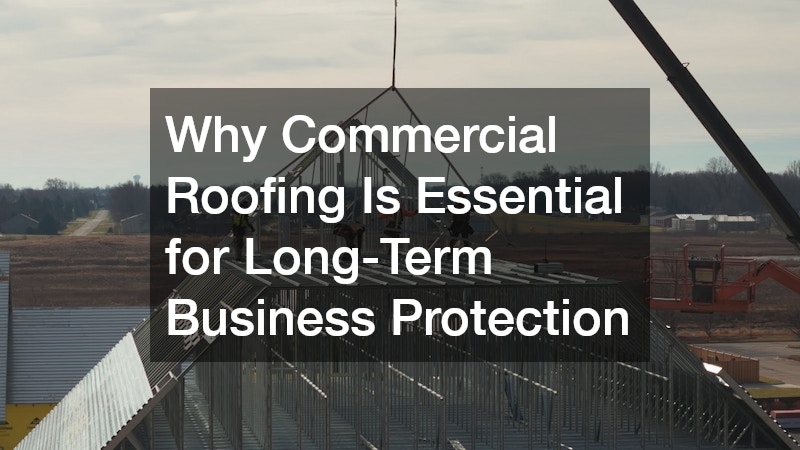
Commercial roofing plays a critical role in protecting businesses, employees, and valuable assets. Whether you own a retail store, warehouse, office building, or industrial facility, investing in quality commercial roofing can save you money and stress over time. A strong roof shields your property from harsh weather, prevents costly repairs, and improves energy efficiency.
Understanding how commercial roofing works and why it matters helps you make smarter decisions for your business.
What Is Commercial Roofing?
Commercial roofing refers to roofing systems designed specifically for business properties. Unlike residential roofs, commercial roofs are often flat or low-sloped and cover larger surface areas.
Key Differences from Residential Roofing
Commercial roofing systems:
- Use different materials
- Support heavy equipment like HVAC units
- Require specialized installation techniques
- Cover wider spaces with fewer seams
Because of these differences, commercial roofing projects require trained professionals with specific experience in commercial properties.
Types of Commercial Roofing Systems
There are several common types of commercial roofing systems. Each has its own benefits depending on your building’s needs and budget.
TPO Roofing
Thermoplastic Olefin (TPO) is one of the most popular commercial roofing materials. It is known for being energy-efficient and cost-effective. TPO reflects sunlight, which helps reduce cooling costs during hot months.
EPDM Roofing
EPDM is a durable rubber roofing membrane. It performs well in different weather conditions and is known for its long lifespan. Many building owners choose EPDM for its affordability and reliability.
Metal Roofing
Metal commercial roofing systems are extremely strong and long-lasting. They can withstand severe weather and require minimal maintenance. While the upfront cost may be higher, metal roofs often last decades.
Modified Bitumen
Modified bitumen roofing is designed for flat or low-slope roofs. It consists of layers that provide strength and waterproof protection. It is commonly used on commercial buildings with heavy foot traffic on the roof.
Benefits of Quality Commercial Roofing
Choosing the right commercial roofing system offers several advantages.
Protection From Weather
Heavy rain, wind, hail, and extreme heat can cause serious damage. A professionally installed roof protects your building from leaks and structural issues.
Energy Efficiency
Modern commercial roofing materials are designed to reflect heat and improve insulation. This reduces strain on HVAC systems and lowers energy bills.
Increased Property Value
A well-maintained roof increases the value of your commercial property. Buyers and tenants are more likely to invest in a building that has a strong roofing system in place.
Reduced Maintenance Costs
Routine inspections and quality materials can prevent small issues from becoming expensive repairs. Investing in durable commercial roofing reduces long-term maintenance costs.
Signs You Need Roof Repair or Replacement
Ignoring roofing problems can lead to major damage. Knowing the warning signs helps you act quickly.
Visible Leaks or Water Stains
Water stains on ceilings or walls are often signs of roof leaks. Addressing leaks early prevents mold growth and structural damage.
Ponding Water
Flat commercial roofs sometimes collect standing water. If water does not drain properly, it can weaken the roofing material over time.
Damaged Flashing
Flashing seals roof edges and equipment openings. If flashing is cracked or loose, water can seep into the building.
Increased Energy Bills
A sudden spike in energy costs may indicate poor insulation or roofing damage.
The Importance of Regular Inspections
Routine inspections are key to extending the life of commercial roofing systems.
Preventative Maintenance
Scheduling inspections at least twice a year allows professionals to catch small issues early. Maintenance may include sealing seams, cleaning drains, and checking for membrane damage.
Storm Damage Checks
After severe weather, it is wise to inspect the roof for damage. Even minor issues can worsen if left untreated.
Choosing the Right Commercial Roofing Contractor
Not all contractors specialize in commercial roofing. Hiring the right team ensures proper installation and long-term performance.
Look for Experience
Choose a contractor with proven experience in commercial roofing projects similar to yours.
Verify Licensing and Insurance
Make sure the contractor is licensed and insured. This protects your business from liability.
Ask About Warranties
Reliable contractors offer warranties on both materials and workmanship. A solid warranty provides peace of mind.
Check Reviews and References
Online reviews and references from past clients can give you insight into the contractor’s reliability and quality of work.
Budgeting for Commercial Roofing
The cost of commercial roofing depends on:
- Roof size
- Material type
- Labor costs
- Building location
- Roof accessibility
While it may be tempting to choose the cheapest option, quality materials and skilled installation often save money in the long run.
Final Thoughts
Investing in commercial roofing is one of the most important decisions a business owner can make. A durable and properly maintained roof protects your property, reduces energy costs, and prevents unexpected repairs. By understanding the different systems, recognizing warning signs, and working with experienced professionals, you can ensure your building stays safe and secure for years to come. Taking the time to plan and maintain your commercial roofing system will provide long-term value and peace of mind for your business.
Related Posts

Why the Smrt Chairman Was Chosen for The IES Lifetime Engineering Achievement Award
- admin
- December 2, 2025
In the field of engineering, the Institution of Engineers, Singapore (IES) Lifetime Engineering Achievement Award […]
Why Hiring a Skilled Commercial Building Contractor Matters
- admin
- June 24, 2025
Understand the critical role skilled commercial building contractors play in ensuring successful construction projects. In […]